Winter 2 Cutout SVG: A Designer’s Review
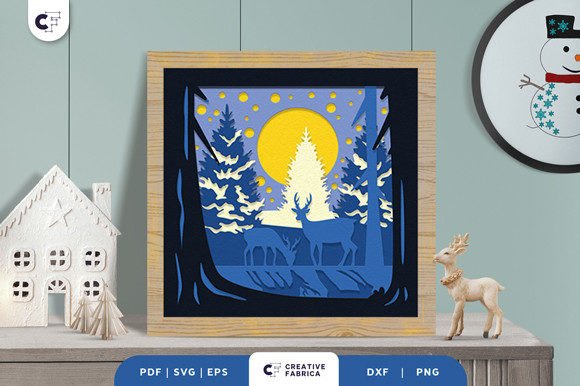
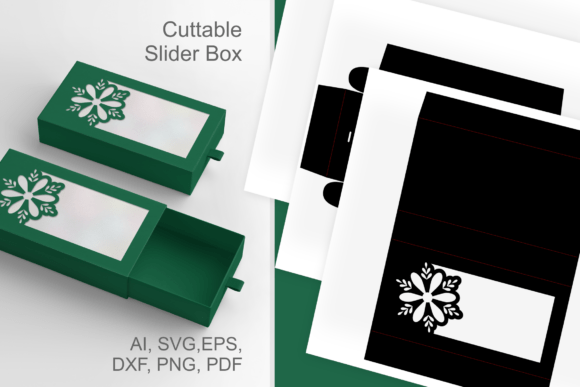
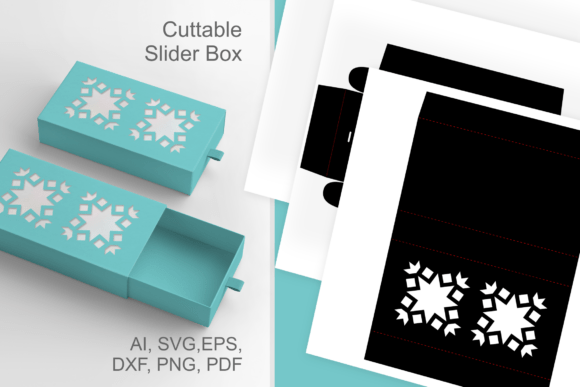
As a professional designer who bridges the gap between digital assets and tangible handmade products, I approach every new file with a critical eye. When evaluating the Winter 2 Cutout - Slive N Drawer Box SVG, my first thought isn't just about how it looks on a screen, but how it translates into physical media. While this asset is primarily marketed as a paper cut template for a 2-part sliding drawer favor box, its intricate "Winter 2" decorative square cutout holds significant potential for mixed-media creators. For embroidery designers and small business owners, this 3D SVG offers a unique geometric foundation that can elevate holiday packaging and complement textile projects when adapted correctly.
First Impressions and Visual Personality
The immediate mood of this design is structured elegance. Unlike organic, flowing winter motifs, the Winter 2 Cutout relies on precision and negative space. The decorative holes create a lattice effect that feels modern yet traditional, perfect for high-end holiday presentation. As an embroidery product reviewer, I appreciate that the lines are clean and intentional. There is no unnecessary clutter, which is crucial when translating vector art into stitch files. The visual personality here is sophisticated; it suggests a boutique aesthetic rather than a rustic craft fair vibe. This makes it an excellent candidate for luxury gift packaging or as a framing element for minimalist machine embroidery design work.
Real-World Application: Elevating the Unboxing Experience
In a recent client project involving custom embroidered sweatshirts for a corporate holiday gift, I tested the utility of this design. The challenge was creating a cohesive brand experience where the packaging matched the quality of the apparel. I used the Winter 2 Cutout - Slive N Drawer Box SVG to fabricate bespoke favor boxes using heavy cardstock. The result transformed a standard garment delivery into a premium unboxing event.
However, the application didn't stop at paper. Because the geometric pattern is so balanced, I digitized a simplified version of the cutout as a running stitch border for the sweatshirt's cuff tag. This created a subtle link between the container and the custom apparel. For Etsy sellers and creative entrepreneurs, this dual-use capability is valuable. You aren't just buying a box template; you are acquiring a design asset that can unify your product line. Whether you are selling personalized gifts, baby embroidery items, or holiday decor, having a consistent visual motif across your packaging and textiles builds immense customer trust and brand recognition.
Translating Vector Lines to Stitch Density
It is vital to understand that a 3D SVG designed for laser cutting or die-cutting behaves differently than a native embroidery file. If you intend to adapt the Winter 2 Cutout for fabric, you must consider stitch density and fabric texture. The intricate decorative holes that look stunning in paper can become problematic in needlework if not adjusted.
For tote bag designs or aprons, the open spaces of the cutout pattern work beautifully as applique design guides. You could use the inner squares as windows for contrasting fabric, secured with a satin stitch. However, for stretchy fabrics like jersey knits used in baby clothes or t-shirts, the dense outline required to mimic this paper cut could cause puckering. In these cases, I recommend converting the detailed cutout into a lighter fill stitch or a simple running stitch outline. Always verify that your digital embroidery file has been properly digitized for textiles rather than simply converted from the vector, as the latter often lacks necessary underlay and pull compensation.
Navigating Fabric Limitations and Hoop Sizes
Where should you use caution? The complexity of the Winter 2 Cutout demands respect for material limitations. On textured fabrics like linen or terry cloth (common in tea towels and kitchen items), fine details can get lost. The decorative holes may fill in or look jagged against a rough weave. Similarly, on dark fabrics, the interplay of shadow and light that defines this design disappears unless you use high-contrast thread colors or metallic threads to catch the light.
Hoop size is another practical constraint. This design features a square layout that requires adequate margin for stabilization. If you are working with small hoop sizes for patches or cap embroidery, you will likely need to scale down or isolate specific quadrants of the Winter 2 pattern. Attempting to shrink the entire complex design into a 4x4 hoop often results in thread breaks and poor registration. For curved surfaces like caps, the rigid geometry of this box template does not naturally conform; it is better suited for flat embroidery projects like pillow covers, blankets, or framed nursery decor.
Professional Notes for Makers and Sellers
Before listing any finished product featuring this design, rigorous testing is non-negotiable. My checklist for integrating the Winter 2 Cutout - Slive N Drawer Box SVG into a commercial workflow includes:
- Test on Scrap Fabric First: Never run a new adaptation on a final product. Verify how the decorative holes translate to stitch on your specific material.
- Check Thread Color Contrast: Ensure the intricate cutout pattern remains visible against your chosen fabric background. Tone-on-tone stitching often obscures this level of detail.
- Review Stabilizer Needs: Because the design involves open areas and precise geometry, use a cutaway stabilizer for stretchy fabrics to maintain shape integrity.
- Validate Licensing: Confirm whether your purchase allows for commercial embroidery use. Some 3D SVG licenses cover paper crafting but restrict textile reproduction for sale.
- Create Printable Mockups: Use the original SVG to create accurate digital previews for your shop listings before stitching a single sample. This helps gauge buyer engagement and saves production time.
Enhancing Product Value Through Cohesion
Ultimately, the value of the Winter 2 Cutout lies in its versatility for the serious maker. It solves a common problem in the handmade market: disjointed branding. When your holiday embroidery matches your packaging, the perceived value of your work increases. Customers recognize the extra effort. Whether you are a hobbyist making personalized gifts for family or a small shop owner fulfilling holiday orders, this design asset provides a professional framework.
Just remember to treat it as a starting point for textile work, not a final destination. Respect the differences between paper and thread, adjust your stitch density accordingly, and always prioritize the longevity of the finished product. By applying these practical design judgments, the Winter 2 Cutout becomes more than just a box template; it becomes a signature element of your winter collection that resonates with quality and thoughtful craftsmanship.