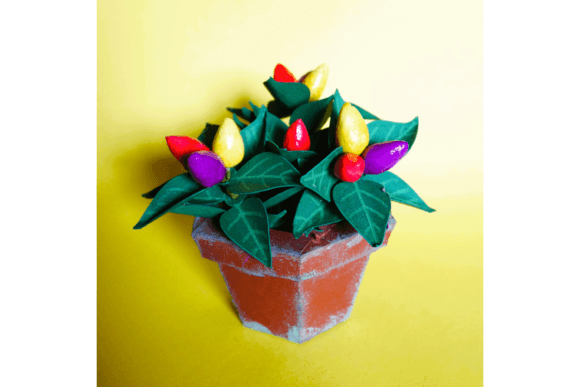
Pepper Ornamental Floribela: A Designer’s Review
When evaluating a new machine embroidery design for commercial or personal use, the first question is always about translation. How does a digital concept survive the transition from screen to fabric? As a designer who regularly tests files for custom apparel and boutique merchandise, I approached Maison Gregoria’s "Pepper Ornamental Floribela" with a critical eye. While originally described as a vibrant paper representation of ornamental peppers, adapting this aesthetic into an embroidery project requires understanding how those bright shades and organic shapes interact with thread and textile.
This review focuses on the practical application of Pepper Ornamental Floribela. Whether you are an Etsy seller planning a fall collection or a hobbyist making a personalized gift, understanding the behavior of this design is essential before you commit to stitching it on a final product.
Translating Paper Aesthetics to Thread
The visual personality of Pepper Ornamental Floribela is rooted in its origin as a 3D SVG ornament. It possesses a layered, dimensional quality that mimics cut paper. In embroidery terms, this suggests a design that relies heavily on clean edges and distinct color blocking rather than photorealistic shading. When I look at this file, I see a natural candidate for an applique design or a combination of satin stitch borders with fill stitch interiors.
For makers, this distinction matters. A paper-style design often translates beautifully to fabric because it embraces bold shapes over tiny details. However, it also demands precision. If the registration is off, the "paper" layers will look misaligned. The vibrant colors mentioned in the product description imply high contrast. In a real-world scenario, this means your thread colors must be carefully selected to maintain that vibrancy without causing tension issues where multiple colors meet. The mood is undeniably botanical and festive, making it ideal for items that need a pop of organic warmth.
Real-World Application: The Canvas Tote Test
To truly judge the viability of Pepper Ornamental Floribela, I mentally placed it on a heavyweight canvas tote bag design. Totes are a staple for small shop products and craft fairs because they offer a stable, flat surface that showcases detail well. In this scenario, the ornamental pepper theme serves as a sophisticated alternative to generic floral patterns.
Stitching this on canvas allows the design to shine without fighting the fabric texture. The structured nature of the pepper shapes complements the sturdy weave of the bag. For a commercial embroidery business, this design could anchor a "Harvest Market" or "Garden to Table" product line. Customers respond to specificity; an ornamental pepper feels more curated and artisanal than a standard vegetable motif. Furthermore, because the design has a 3D SVG lineage, it likely has a balanced composition that prevents the tote from looking bottom-heavy or lopsided when carried.
I can also envision this working exceptionally well for holiday embroidery on tea towels or pillow covers. The bright shades bridge the gap between autumn harvest and winter festivity, extending the shelf life of your seasonal inventory. For baby embroidery, however, I would advise caution regarding size and density, which leads to my next point on technical limitations.
Navigating Fabric Limitations and Hoop Constraints
Not every substrate is friendly to detailed botanical art. While Pepper Ornamental Floribela excels on stable woven fabrics, it requires careful handling on stretchy or textured materials. If you are attempting sweatshirt embroidery, the knit structure can distort the crisp lines intended by the paper-style aesthetic. You must use an appropriate stabilizer—likely a cut-away for knits—to prevent the design from puckering or losing its shape after washing.
Be particularly mindful of hoop size. Designs derived from 3D ornaments sometimes have vertical orientations that do not fit standard 4x4 hoops comfortably. Always verify the dimensions in your digital embroidery file before purchasing. Resizing a complex design down to fit a smaller hoop can compromise stitch density and cause gaps in the fill areas. Conversely, enlarging it too much for a lightweight fabric like lawn cotton or voile can result in a stiff, bulletproof patch of thread that drapes poorly.
Dark fabrics present another challenge. The vibrant shades of the ornamental peppers rely on contrast. On black or navy fabric, you may need to add a white underlay or outline to make the colors pop, otherwise, the design might get lost. Always test on scrap fabric first to ensure the visual impact remains intact.
Commercial Value and Customer Perception
For creative entrepreneurs, the value of an embroidery file lies in its ability to generate sales and build brand trust. Pepper Ornamental Floribela offers a unique selling proposition because it avoids the clip-art look that plagues many digital marketplaces. The artistic integrity of the original paper design lends itself to a premium handmade product perception.
When listing finished items, use printable mockups that accurately reflect the texture of the stitch. Because this design mimics paper, customers might expect a flat, graphic look. Showing close-ups of the actual stitching manages expectations and highlights the craftsmanship. This transparency increases buyer engagement and reduces returns. Additionally, if you are selling the design assets themselves, providing clear notes on recommended fabrics and stabilizers adds immense value for other makers.
Brand consistency is key. If your shop focuses on modern farmhouse or cottagecore aesthetics, this ornamental pepper fits seamlessly. It signals to your audience that you curate specific, nature-inspired themes rather than random trends. This recognition builds loyalty over time.
Essential Pre-Stitch Checklist for Makers
Before you run Pepper Ornamental Floribela on a sellable item, treat it like any professional embroidery project. Due diligence prevents wasted materials and protects your reputation.
- Verify Licensing: Confirm whether the license permits selling finished custom apparel or if it restricts usage to personal projects. Never assume commercial rights exist without checking the specific terms provided by Maison Gregoria.
- Check Stitch Density: Open the file in your software or machine viewer. Ensure the density is appropriate for your chosen fabric. High-density paper styles may need adjustment for lightweight garments.
- Test Color Contrast: Run a grayscale simulation or print a black-and-white template. If the peppers blend together without color, the definition relies entirely on hue. Ensure your thread palette maintains sufficient value contrast.
- Validate Small Details: Inspect any tiny stems or leaf tips. These are often the first elements to fail during resizing or on textured fabrics. If they look fragile in the preview, consider editing them out for smaller applications.
- Confirm Hoop Compatibility: Double-check the physical dimensions against your machine’s maximum sewing field. Do not rely solely on the file name or category label.
- Assess Washability: If creating kitchen towels or baby items, test wash a sample. Vibrant threads can sometimes bleed, and dense fills can shrink differently than the base fabric.
Final Thoughts on Design Versatility
Pepper Ornamental Floribela represents a thoughtful intersection of digital art and textile craft. Its roots as a 3D SVG ornament give it a structural clarity that benefits embroidery, provided the maker respects the technical requirements of the medium. It is not a universal design for every fabric, but for stable wovens, home decor, and seasonal accessories, it offers a distinctive, high-value aesthetic.
By approaching this embroidery file with a tester’s mindset, you transform a simple digital download into a reliable asset for your craft business. Whether you are stitching a single embroidered patch for a denim jacket or producing a full line of holiday totes, the success lies in matching the design’s inherent strengths to the right application. Respect the process, test thoroughly, and let the vibrant personality of the ornamental pepper elevate your handmade portfolio.