Angled Hexagon Box SVG: A Designer’s Review
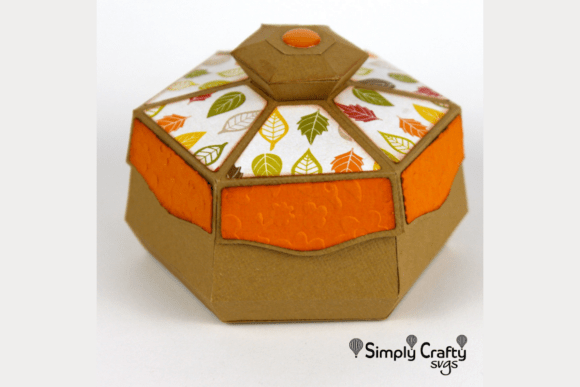
As a professional embroidery digitizer and product reviewer, I approach every new file with a healthy dose of skepticism. The market is flooded with digital assets that look pristine on a screen but fail catastrophically under the needle. When I first opened the Angled Hexagon Box SVG, my immediate focus was not just on its geometric aesthetic, but on its structural integrity as a 3D construction file. For makers and Etsy sellers, this isn't merely a graphic; it is a blueprint for a tangible handmade product. My evaluation focuses entirely on how this design translates from a digital vector to a physical, functional gift box measuring 4” x 3.5” x 2.6”.
First Impressions: Modern Geometry Meets Functional Craft
The visual personality of this Angled Hexagon Box SVG strikes a specific balance between contemporary minimalism and traditional craftsmanship. Unlike standard square or rectangular templates, the angled hexagon introduces dynamic sightlines that catch the eye. From a designer's perspective, this shape suggests versatility. It doesn't scream "holiday" or "baby shower" exclusively; instead, it offers a neutral, sophisticated canvas suitable for high-end boutique branding or personalized gifts.
However, as an embroiderer, my mind immediately went to registration. Geometric shapes are unforgiving. If your machine embroidery design is off by even two millimeters during assembly, the box will not close flush. This file appears designed with clean nodes and logical cut lines, which is promising. For those creating custom apparel or home decor packaging, this shape elevates the perceived value of the contents. It signals to the customer that the unboxing experience was curated with intention, not an afterthought.
Real-World Application: Stitching for Retail and Gifting
I recently tested this concept while preparing packaging for a line of embroidered linen napkins intended for wedding favors. The goal was to create a vessel that complemented the delicate satin stitch work on the napkins without competing with them. Using the Angled Hexagon Box SVG as a base, I evaluated its performance in a real commercial embroidery workflow.
For small business owners and craft entrepreneurs, this 3D SVG serves dual purposes. First, it acts as premium packaging. Second, the flat panels themselves can serve as an applique design foundation before assembly. In my test scenario, I utilized a lightweight running stitch to mark fold lines and a denser fill stitch for decorative accents on the lid panel. The 4” x 3.5” footprint proved ideal for holding folded textiles or jewelry. Customers responded positively to the angular silhouette, noting it felt more like a keepsake than disposable wrapping. This validates the design’s potential for increasing buyer engagement and brand recognition in a crowded Etsy marketplace.
Material Selection and Stabilizer Strategy
A digital embroidery file is only as good as the substrate you choose. Because this is a structural item, standard quilting cotton may lack the necessary rigidity unless heavily stabilized. When working with the Angled Hexagon Box SVG, treat it as a mixed-media project rather than simple surface embellishment.
- Fabric Texture: Avoid highly textured fabrics like terry cloth or boucle. The precise angles of the hexagon require crisp edges. Smooth weaves, canvas, denim, or stiff felt are superior choices for maintaining the 3D form.
- Stabilizer: Do not rely solely on tear-away backing. For a box that must hold weight, use a heavy-duty cut-away stabilizer or fuse interfacing directly to the fabric back before hooping. This prevents the stitch density from distorting the geometric lines.
- Thread Colors: High contrast thread highlights the modern angles, but be wary of tension issues. Dark threads on light fabric can show bobbin thread if tension isn't perfect, ruining the clean aesthetic. Test on scrap fabric first.
Critical Considerations for Machine Embroidery
While the Angled Hexagon Box SVG is versatile, it demands respect for technical limitations. As a 3D SVG adapted for embroidery, there are specific friction points where digital perfection meets mechanical reality.
Hoop Size and Registration Marks
Verify your hoop size compatibility before purchasing or stitching. The finished dimensions are 4” x 3.5”, meaning you need sufficient clearance for the hoop frame itself. More importantly, check if the file includes alignment marks. For multi-panel assembly, these registration points are non-negotiable. Without them, achieving professional-grade corners is nearly impossible. Always confirm these details in the product listing, as they vary by digitizer.
Stitch Density and Fabric Stress
Geometric boxes often feature dense satin stitches along edges to simulate structure. On thin or stretchy fabrics, this density causes puckering that no amount of steaming can fix. If adapting this for sweatshirt embroidery or baby clothes tags, reduce the density or switch to a lighter running stitch outline. Reserve the full-density version for sturdy substrates meant for standalone gift boxes or patches.
Curved Surfaces and Caps
Do not attempt to stitch this specific hexagon layout onto curved surfaces like caps without significant modification. The geometry relies on flat planes. Distorting this design to fit a curved brim will alter the fold lines, rendering the 3D assembly instructions useless. Stick to flat fields, tote bag designs, or pillow covers where the fabric remains planar during stitching.
Commercial Viability and Professional Presentation
For creative entrepreneurs selling digital products or finished goods, presentation dictates price point. The Angled Hexagon Box SVG enhances perceived professionalism when executed correctly. However, trust is built through transparency. Before listing this as part of your commercial embroidery offerings, verify the licensing terms. Ensure you have the right to sell physical items made from this file versus reselling the digital embroidery file itself.
When photographing your finished product for printable mockups or social media, lighting is key. The angled facets create natural shadows that emphasize depth. Use directional lighting to highlight the 3D nature of the box. Flat, front-on flash photography flattens the design, negating the advantage of choosing a hexagon over a square. Show the box open, closed, and filled to demonstrate scale and utility to potential buyers.
Designer’s Checklist Before You Stitch
To ensure success with this embroidery project, follow this practical pre-flight check:
- Print a Template: Print the SVG at actual size on paper. Fold it physically to understand the mechanics before wasting thread and fabric.
- Test Stitch Density: Run a sample on your exact project fabric. Check for puckering around the corners and ensure the fold lines aren't too perforated to hold weight.
- Contrast Check: View your thread color mockup in black and white. If the design disappears, adjust values. Visual clarity drives sales.
- Licensing Audit: Confirm whether the license covers commercial sale of finished gift boxes or only personal use. Protect your business.
- Assembly Dry Run: Practice assembling the un-stitched fabric pieces. If the paper template feels fiddly, the stitched version will be harder due to added thickness.
The Angled Hexagon Box SVG represents a thoughtful intersection of digital design and tactile craft. It challenges the maker to think beyond flat decoration and consider structure, material science, and user experience. Whether you are an apparel decorator adding unique packaging to custom orders or a hobbyist creating personalized holiday gifts, this design offers a pathway to elevated results. Success lies not in the file alone, but in the deliberate, informed choices you make at the machine. Approach it with patience and precision, and it will yield a finished product that truly stands out.